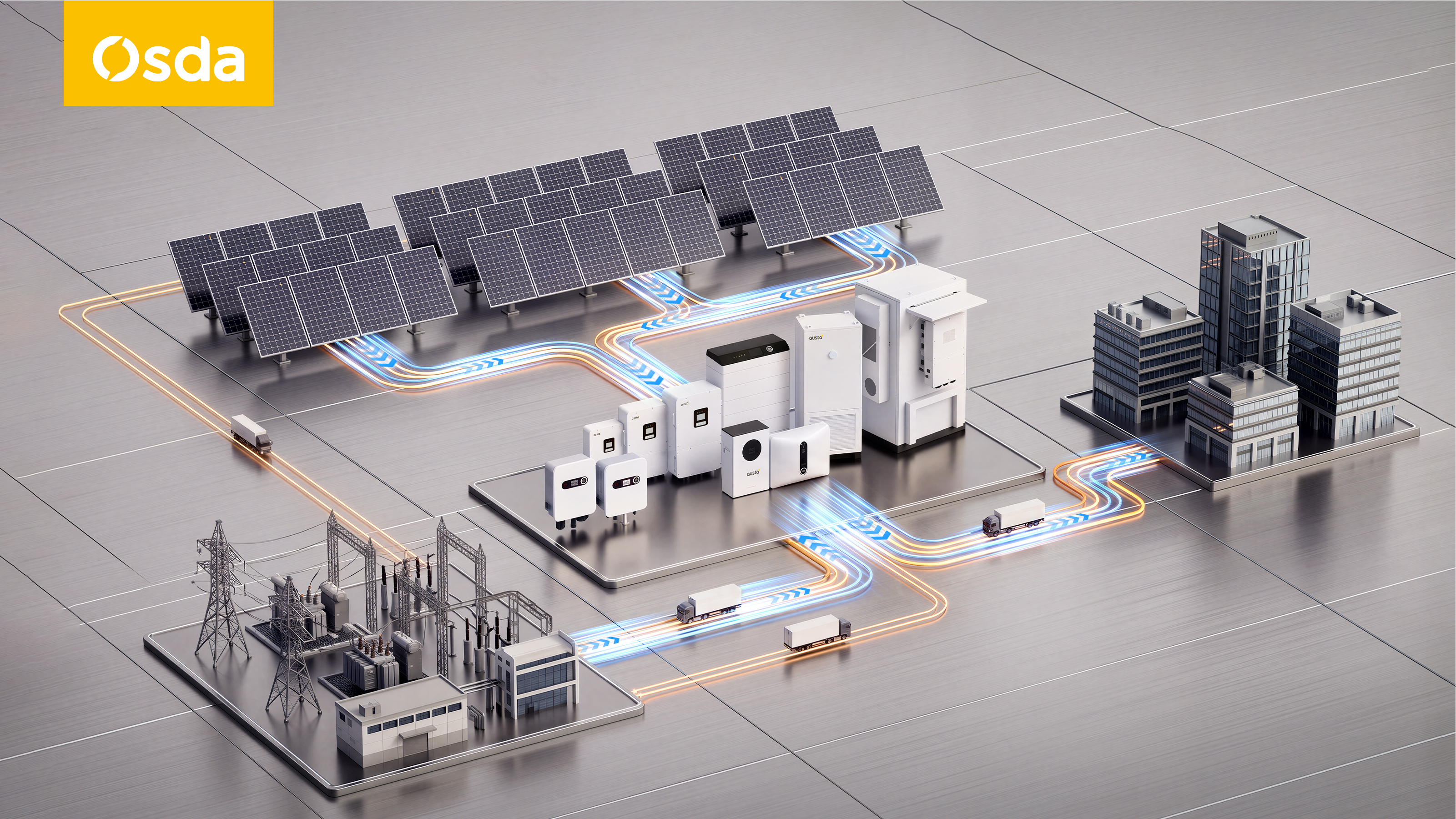
When photovoltaic generation pairs with energy storage, the transformation of energy systems is far more than simply adding a battery.PV panels generate clean power under sunlight, while energy storage retains that power for later use. Yet if PV and storage units are installed in one project but operate independently, this is merely "PV plus storage".
True PV-storage integration centers on end-user energy demand. It unifies photovoltaic generation, storage charge/discharge, end-load consumption and grid status under a single energy management framework, forming a coordinated system for power generation, storage, consumption and dispatch.
It solves a deeper set of questions beyond power availability:When to generate power, when to store power, when to consume power, and how to maximize the value of every kilowatt-hour of clean electricity.
Why PV Alone Is Not Enough?
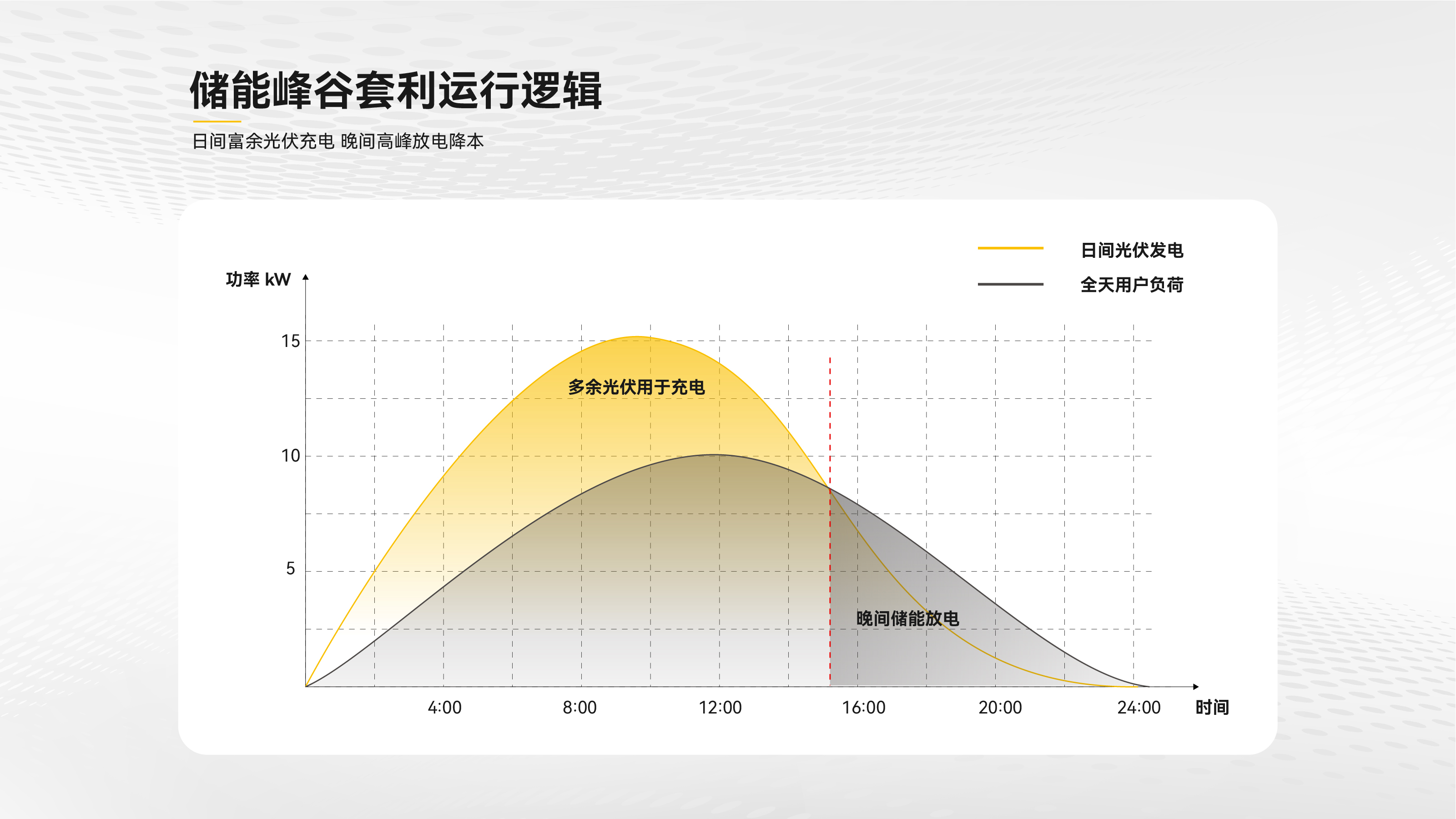
PV output is tightly linked to solar irradiance. Power surges during daytime, yet household, commercial and industrial load demand persists through dusk and night as solar production fades.This creates a persistent mismatch between PV generation curves and end-user load profiles.
In many projects, excess daytime solar power is exported to the grid at low feed-in tariffs, or curtailed due to grid connection limits. Meanwhile, users are forced to purchase expensive grid power during evening peak hours. Energy storage enables temporal shifting of electricity:
- Charge batteries with surplus PV power during high irradiance;Discharge stored energy when PV output or grid electricity prices rise;Supply critical loads as backup during grid outages;Smooth sudden spikes in end-user power demand.
Therefore, energy storage is not a trivial accessory for PV systems, but a core regulator bridging solar generation and real-world consumption needs.
What Constitutes Genuine PV-Storage Integration?
Genuine integration unfolds across four core dimensions.
1. Integrated System Design
PV and storage cannot be selected separately and assembled as an afterthought.System design must holistically factor in: local solar irradiance & annual PV yield, daily and yearly user load variations, time-of-use tariffs & grid interconnection policies, backup power duration requirements, PV-storage capacity matching, and future system expansion & operation plans.Identical PV-storage hardware delivers vastly different performance for residential homes, manufacturing plants and zero-carbon parks. True integration begins at the project design stage.
2. Coordinated Hardware Collaboration
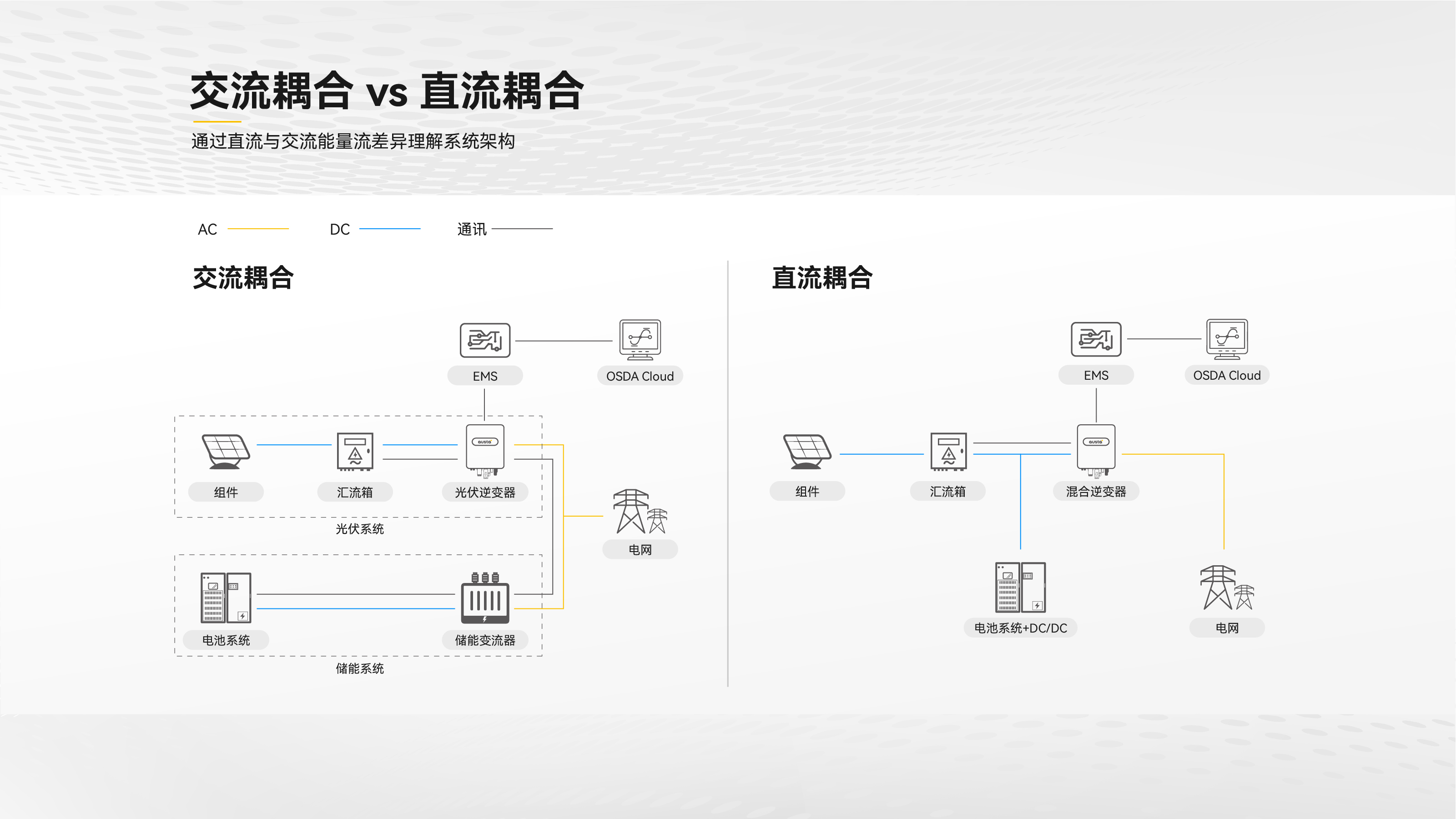
A complete PV-storage system comprises PV modules, inverters/PCS, battery energy storage, power distribution equipment, monitoring platforms and EMS. Two mainstream coupling topologies apply to different scenarios:
AC Coupling
PV inverters and storage systems connect to the AC bus separately. The architecture offers flexible hardware matching, ideal for retrofitting storage onto existing PV systems and phased capacity expansion.
DC Coupling
PV and storage coordinate on the DC side, cutting intermediate energy conversion losses. This topology fits new-build projects with unified upfront planning.Neither topology is universally superior; the optimal architecture hinges on the project’s specific operational requirements.
3. Intelligent Control Integration
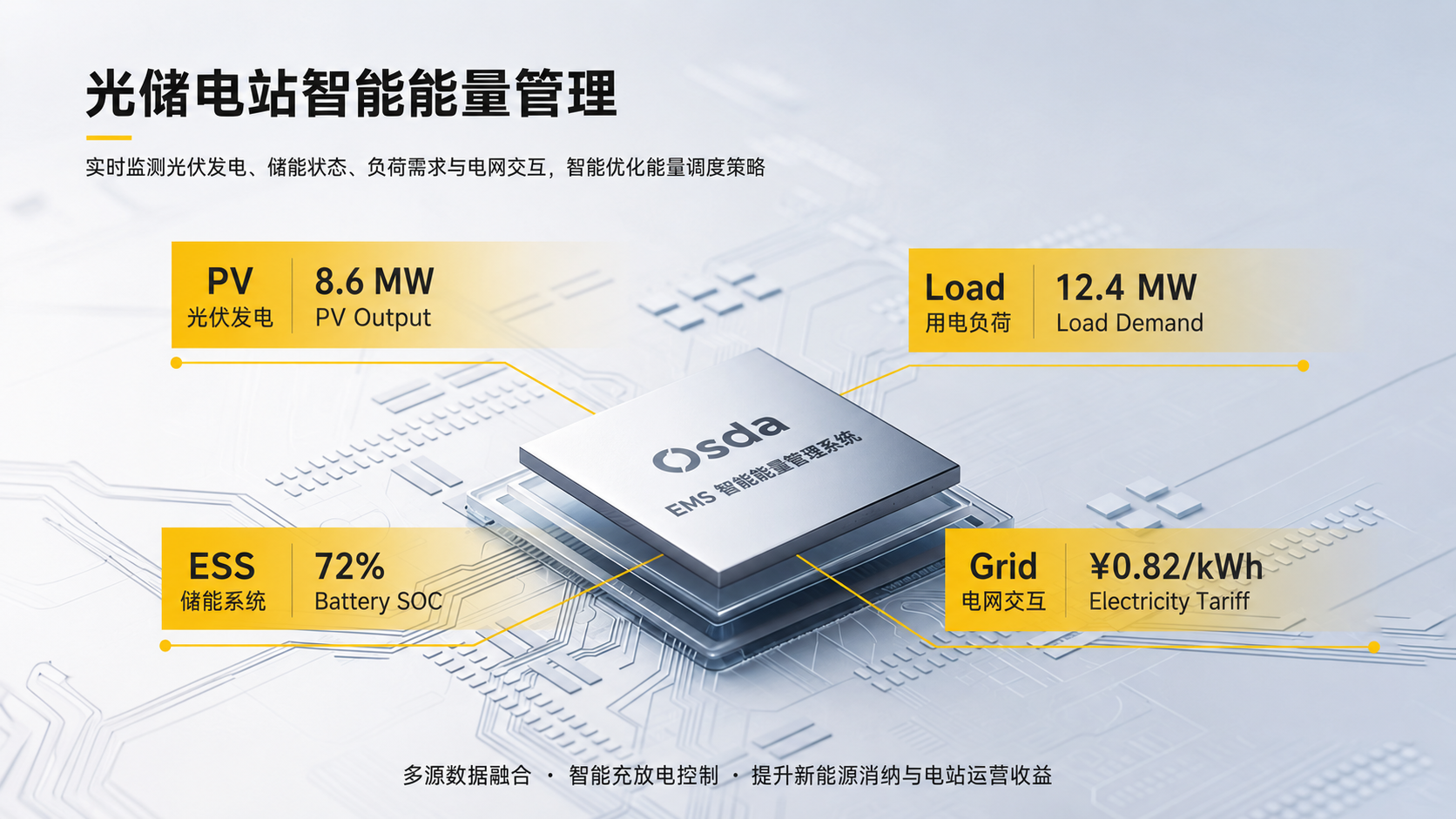
If PV panels produce energy and batteries store energy, the Energy Management System (EMS) governs how power flows across the whole system.The EMS collects real-time data including PV output, end-user load, battery State of Charge (SOC), grid conditions and time-of-use electricity prices. Based on live parameters, it dynamically prioritizes PV direct supply, battery charging, battery discharging, grid power purchase and surplus grid export.Instead of rigid fixed operation timetables, the system continuously adjusts strategies responding to real-time sunlight, load and tariff fluctuations. At its core, PV-storage integration evolves hardware-independent operation into unified system dispatch via intelligent control.
4. Integrated Business Value Delivery
PV-storage hardware functionality alone carries little weight. The critical question it must answer is: what tangible value does it deliver to end users? Integration generates distinct benefits across different application scenarios.
Differentiated PV-Storage Logic for Distinct Scenarios
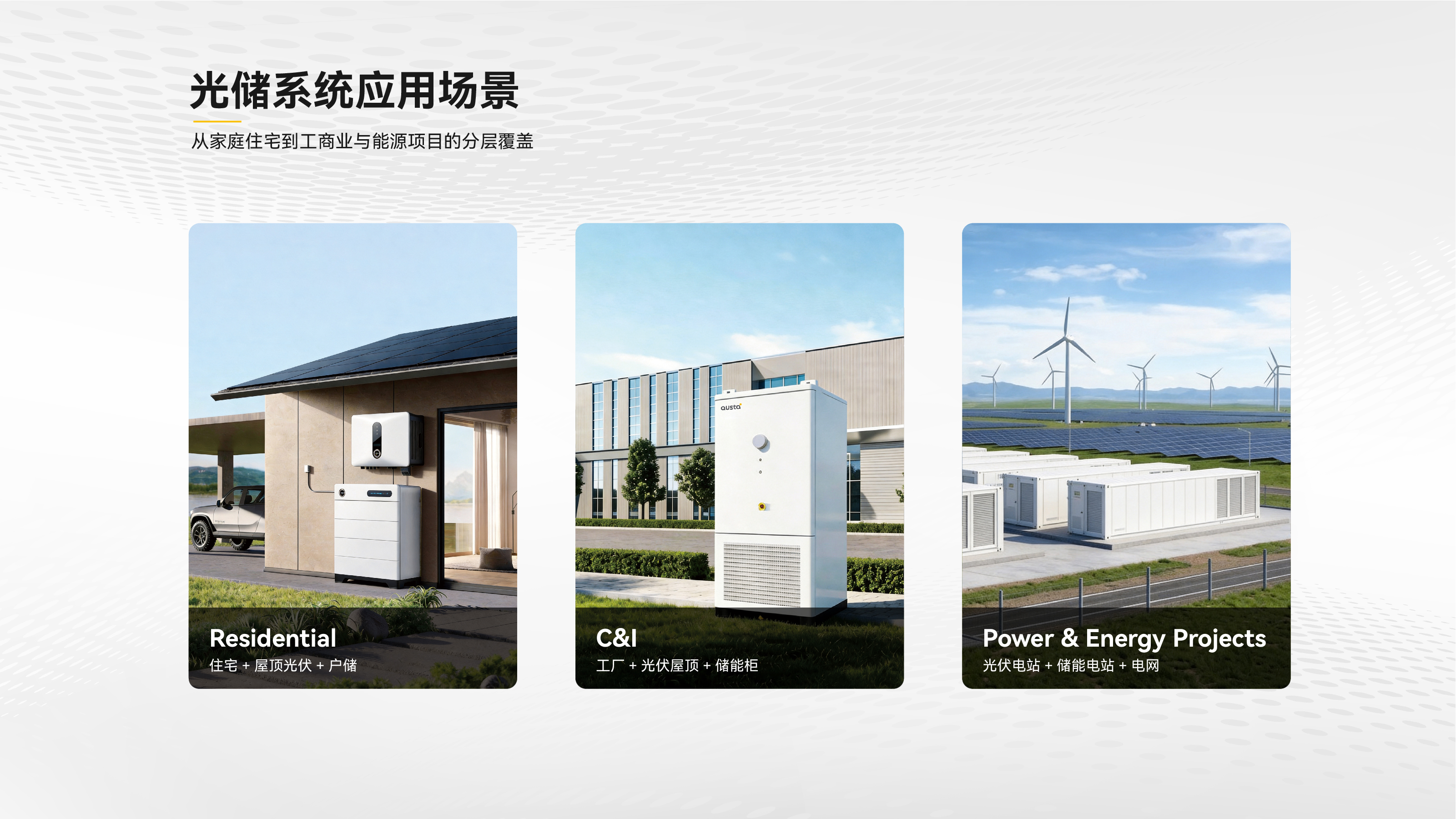
Residential Scenarios: Boost Self-Consumption & Secure Power Supply
PV power prioritizes household loads and charges batteries during daytime; stored energy discharges to cover domestic demand at night. The system automatically switches to backup power for lighting, refrigerators and communication gear during grid blackouts.Residential system design requires evaluation of household consumption habits, night-time load scale, backup power demand, local tariff mechanisms and future capacity expansion space, rather than mere rated capacity sizing.
C&I Scenarios: Optimize Energy Costs & Smooth Peak Demand
Commercial and industrial load profiles are highly complex. PV-storage systems coordinate solar self-consumption, battery charge/discharge and grid power procurement aligned with production schedules, PV output and time-of-use tariffs to achieve multiple benefits:
- Raise on-site solar self-consumption ratio;Cut electricity expenditure during peak tariff windows;Shave sudden load spikes to reduce contracted maximum demand charges;Provide reliable backup power for mission-critical equipment.Project profitability cannot rely solely on theoretical models. Accurate annual load curves, local tariff structures and production schedules must be analyzed upfront to determine optimal PV-storage capacity and control logic.
Park & Utility-Scale Power Station Scenarios: Cross-Source Energy Coordination
In zero-carbon parks and microgrids, PV-storage integration extends far beyond solar and battery coordination. It also coordinates EV charging infrastructure, industrial & commercial loads, wind power, diesel backup generators, grid demand response and park-wide energy management platforms.Under this model, PV-storage delivers comprehensive power regulation and management, turning intermittent renewable generation into predictable, dispatchable energy resources.
System Value Depends on More Than Hardware Specs
A PV-storage project’s expected returns rely on the synergy of hardware performance, customized design, intelligent control and long-term operation. Two key considerations stand out in project planning:
Matching PV & Storage Capacity
Undersized storage cannot absorb all surplus PV power; oversized storage inflates upfront CAPEX and drags down investment returns. Capacity configuration must be data-driven, based on real solar generation, load profiles, tariffs and project objectives, rather than fixed proportional rules of thumb.
Scenario-Aligned Control Strategies
End users hold different priorities for self-consumption, peak arbitrage, demand shaving and backup power. Mismatched operational logic, even with premium hardware, fails to deliver projected economic benefits.
Long-Term System Stability
PV-storage assets operate over multi-decade lifecycles. Beyond cell safety and equipment reliability, operators must prioritize charge/discharge limits, thermal management, overall system efficiency, real-time fault alerts, remote diagnostics, after-sales response and upgrade compatibility. System handover marks the start of asset operation, not the end of value delivery.
From Power Generation to Intelligent Energy Management
PV technology solves clean energy production; energy storage enables temporal power regulation; EMS orchestrates seamless coordination between generation, storage, consumption and the grid.True PV-storage integration is defined by three pillars: end-user demand as the starting point, cross-system hardware coordination as the foundation, intelligent unified dispatch as the core, and tangible economic & operational value as the outcome.
- For households: greater energy autonomy and reliable off-grid backup;For commercial & industrial operators: refined, controllable energy expenditure management;For parks and large power stations: transforming intermittent renewables into fully adjustable, dispatchable energy assets.
The industry is shifting its focus from simply generating more green electricity to better managing every kilowatt-hour of clean power — driven by integrated photovoltaic energy storage solutions.